What to Expect at Your First Surgical Consultation
.png)
Being referred to a surgeon can feel like a big deal — even when the condition itself might be quite straightforward to treat. For most people, it's unfamiliar territory. You might be wondering what the surgeon will ask, whether they'll make a decision on the spot, or whether you're already committed to having an operation.
The short answer to that last one: you're not. A first consultation is exactly that — a conversation.
Here's what to expect.
Why Has Your GP Referred You?
Your GP has referred you because your situation warrants a specialist opinion. That might mean they've found something on imaging that needs a closer look, you've been dealing with symptoms that are best assessed by a surgeon, or a condition you've been managing conservatively has reached a point where surgery could be the right next step.
A referral doesn't mean surgery is inevitable — it means you deserve a more thorough assessment than a GP appointment can provide. The surgeon's job at this stage is to help you understand your options, not to push you toward the operating table.
What Happens When You Arrive
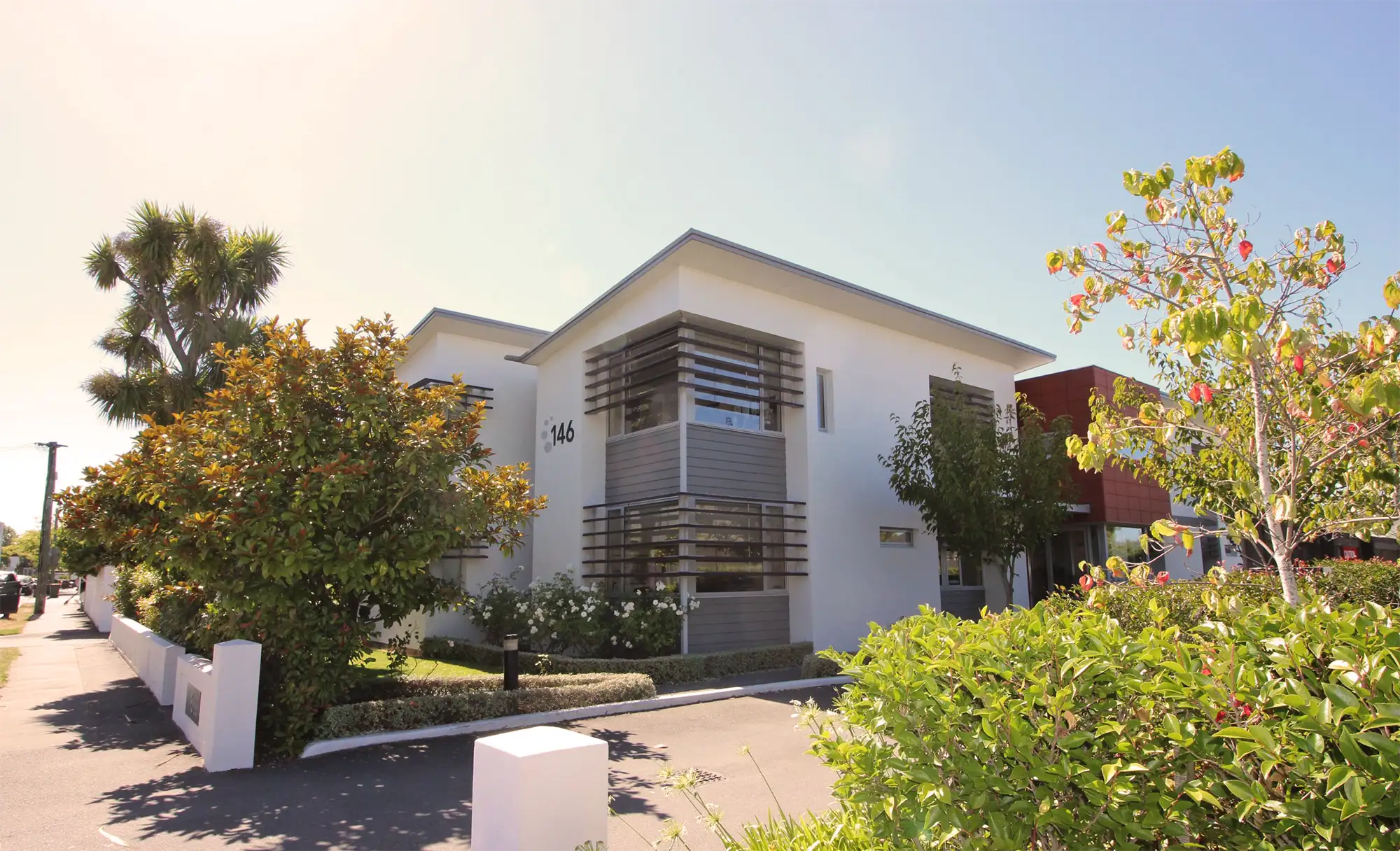
Your appointment will take place in our Christchurch clinic rooms, not in a hospital. It's a standard outpatient consultation — think of it like a thorough GP appointment, but with a surgeon who specialises in your particular condition.
You'll be seen by the consultant you were referred to. They'll have your GP's referral letter and any imaging or test results that have been sent through. If you have additional documents — scans, blood test results, previous specialist letters — bring them along. The more context your surgeon has, the better.
What the Surgeon Will Ask You
Expect a conversation, not an interrogation. Your surgeon will want to understand:
- What your symptoms are and how long you've had them
- How those symptoms are affecting your day-to-day life
- What treatments or investigations you've already had
- Your general health, any other medical conditions, and medications you're taking
- Your work, lifestyle, and personal priorities — because these all factor into what the right approach looks like for you
There are no wrong answers, and nothing is too minor to mention. The small detail you weren't sure was relevant is often exactly what helps a surgeon understand the full picture.
Will You Be Examined?
In most cases, yes. A physical examination is a normal part of a surgical consultation, and your surgeon will explain what they're doing and why. For some conditions — a hernia, a breast lump, a skin lesion — the examination is essential to making a proper assessment. For others, the clinical picture is largely built from your history and imaging.
You'll always be asked for your consent before any examination, and you're welcome to have a support person in the room with you.
What Happens After the Examination?
Your surgeon will talk you through what they've found and what they recommend — in plain language. If surgery is the right option, they'll explain what the procedure involves, how it's done, what recovery looks like, and what the alternatives are. If they need further information before making a recommendation — additional imaging, for example — they'll tell you why and arrange that.
You won't be pressured into making a decision on the day. Most people need a bit of time to sit with the information, talk it over with family, or ask follow-up questions. That's completely normal and expected.
If you do decide to go ahead with surgery, the booking process will be explained clearly — including likely timeframes and what the preparation involves.
What to Bring to Your Appointment
- Any referral paperwork or letter from your GP
- Relevant imaging — scans, X-rays, or ultrasound results (on a disc or printed report)
- A list of your current medications, including supplements
- Your health insurance details if you have cover
- A list of questions you'd like answered (more on this below)
- A support person if you'd like one — they're always welcome
Questions Worth Asking
It's easy to forget what you wanted to ask once you're in the room. Writing your questions down beforehand helps. Some good ones to consider:
- Is surgery definitely the best option, or are there other approaches?
- What happens if I choose not to have surgery?
- What does recovery look like, and how long will I need off work?
- Are there any risks specific to my situation I should know about?
- What will happen on the day of the operation?
No question is too basic. Surgeons would far rather you leave feeling confident and informed than uncertain about something important.
A Note on Private Consultations
At Canterbury Surgical Specialists, we operate in a private setting, which means shorter wait times and the ability to book with the specific surgeon your GP has recommended. You'll see the same surgeon at your consultation, pre-op, and post-op appointments — there's no handoff between providers.
If you have health insurance, your consultation and surgery may be covered in full or in part depending on your policy. It's worth checking with your insurer before your appointment.
Ready to Book?
If you've received a referral or your GP has suggested a surgical review, we'd be happy to help. Our team will make sure you have everything you need before, during, and after your appointment.
This article is intended as general health information and is not a substitute for personalised medical advice. Please speak with your GP or one of our surgeons for guidance specific to your situation.
Ready to begin your
journey to recovery?
Our team of consultants and admin staff are ready to help you. Whether you're being referred by a GP or, self funding, we're with you at every step.